-
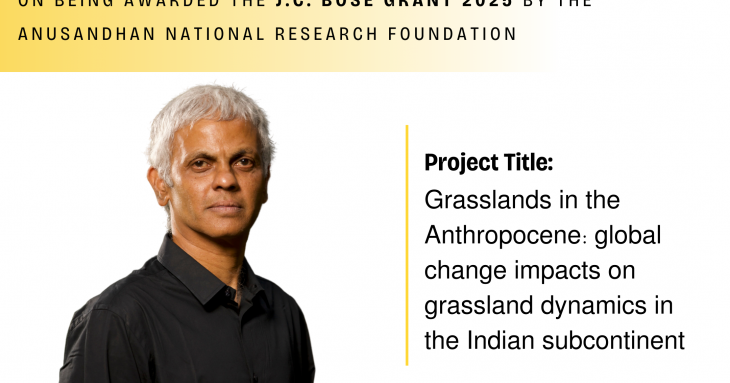
Prof Mahesh Sankaran awarded the 2025 J.C. Bose Grant
Prof Mahesh Sankaran, faculty at the National Centre for Biological Sciences, Bengaluru was awarded the J.C. Bose Grant 2025, by the Anusandhan National Research Foundation for the project titled:"Grasslands in the Anthropocene: global change impacts on grassland dynamics in the Indian subcontinent."
-
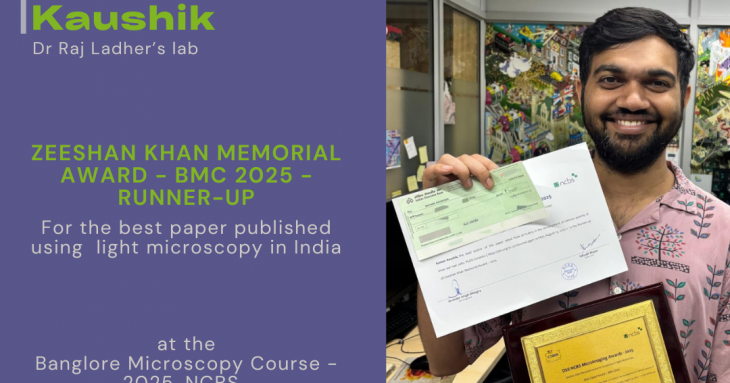
Raman Kaushik awarded the Zeeshan Khan Memorial Award 2024 (Runner up) for best paper published using CIFF
Raman Kaushik, graduate student from Dr Raj Ladher's lab at the National Centre for Biological Sciences(NCBS), Bengaluru, had been awarded the Zeeshan Khan Memorial 2025 Award (Runner-up) for the Best Paper published using Light Microscopy in India, at the Bangalore Microscopy Course held from 14-21 September, 2025 at NCBS.
-
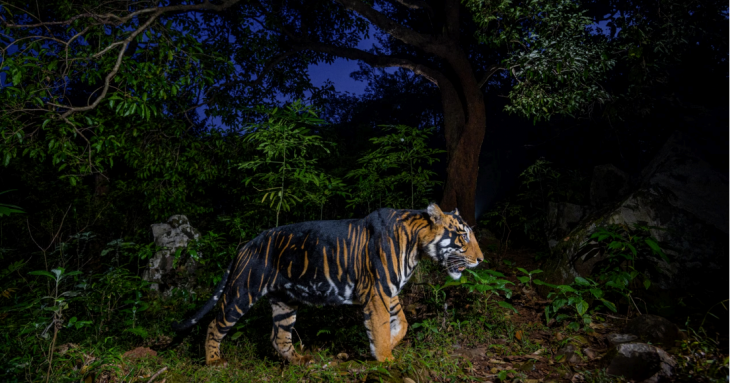
NCBS' research on National Geographic: The curious case of the tigers who changed their stripes
National Geographic has released a major cover story on the pseu
-
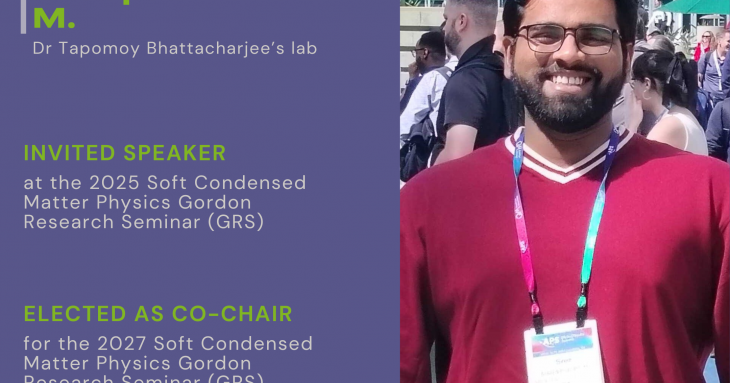
Sreepadmanabh M. elected as Co-chair for the 2027 Soft Condensed Matter Physics Gordon Research Seminar (GRS)
Sreepadmanabh M., graduate student of Dr Tapomoy Bhattacharjee at the National Centre for Biological Sciences, Bengaluru is elected as co-chair for the 2027 Soft Condensed Matter Physics Gordon Research Seminar. (GRS)
He also delivered an invited talk at this year's GRS on how physical environments actively regulate biological growth.
-
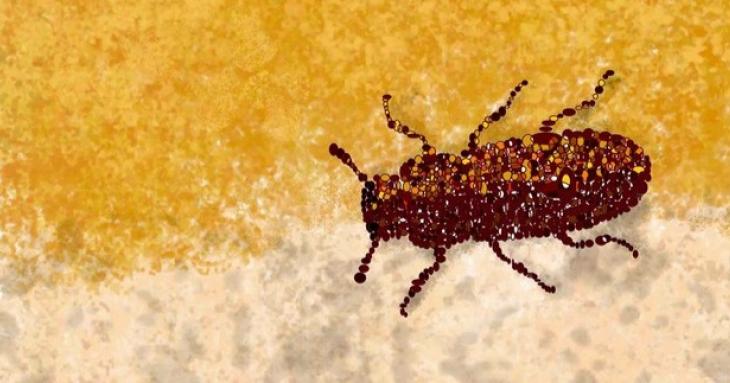
How does a species fight extinction?
In the 1990s, when Kauai crickets in Hawaii sang love songs with their wings to attract mates, a new island visit
-
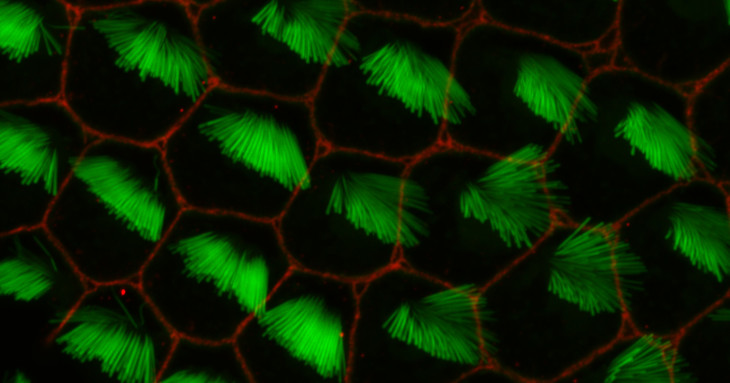
How do cells build organs without a blueprint?
For cells to form functional organs, they must not only multiply but also migrate to the correct loc
-
What Happens When You Break Mitochondria? | STUDENT SPOTLIGHT FT. Mona Hosny
Mona Hosy, a student researcher, set out to explore one of biology’s biggest clichés: “Mitochondria are the powerhouse of the cell.” But what happens if these powerhouses stop working, especially at the very beginning of life? Using a special mouse model, she damaged mitochondrial DNA during embryo development. The results were striking—the embryos could not survive.
-
A new database to predict protein function without complete 3D structural information.
Proteins drive nearly every process within a cell.
-
Swarnadip Ghosh wins The Carl Storm International Diversity Award and The DMM Conference Travel Grant for attending The Angiogenesis Gordon Research Conference
Swardnadip Ghosh, graduate student from Dr Soumyashree Das's lab at the National Centre for Biological Sciences , Bengaluru, recieved The Carl Storm International Diversity Award by Gordon Research Conferences and The DMM Conference Travel Grant by Disease Models & Mechanisms journal by The Company of Biologists, for Participating in The Angiogenesis Gordon Research Conference at Newport, USA.
-
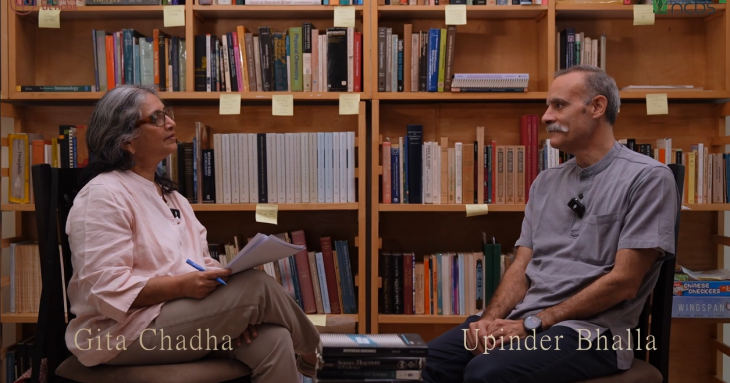
Gender in/of Science: Feminist Conversations Part 2
Welcome to Gender In/Of Science: Feminist Conversations Part 2, conceptualised by Prof. Gita Chadha, Sociologist and Obaid Siddiqi Chair 2023-24 at the National Centre for Biological Sciences, Bengaluru, India. In this series, across seven episodes, we engage with six male faculty members at NCBS in conversations about the figure of the ‘man of science’.