-
Rooted in Curiosity: Meghna Krishnadas's journey from medicine to ecology
In a quiet corner of the Eastern Laboratory Complex, Dr Meghna Krishnadas is setting up her new space.
-
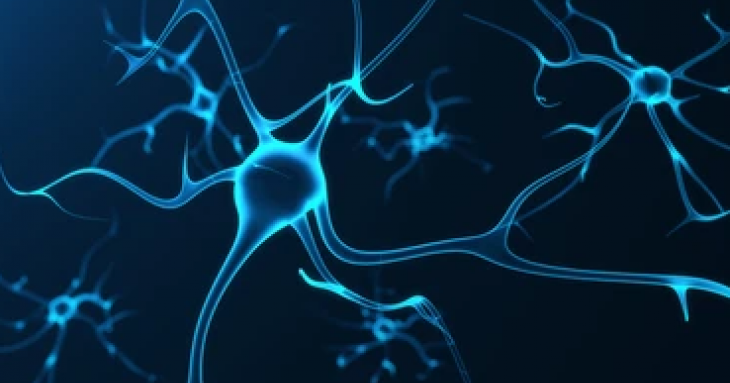
Inside the brain: Dendrites help identify patterns
Have you ever wondered how your brain can tell the difference between the smell of morning coffee and the aroma of hot chocolate, even though they share som
-
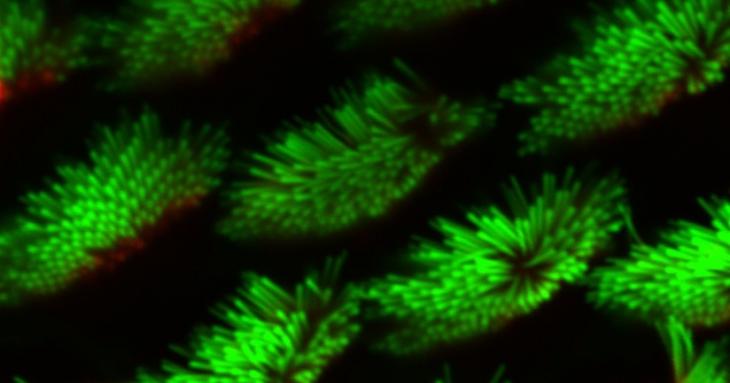
Birds’ Secret to Restoring Hearing
"What humiliation when any one beside me heard a flute in the far distance, while I heard nothing, or when others heard a sh
-
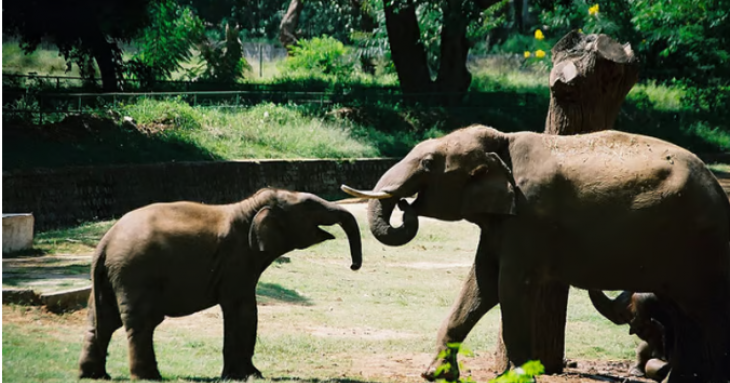
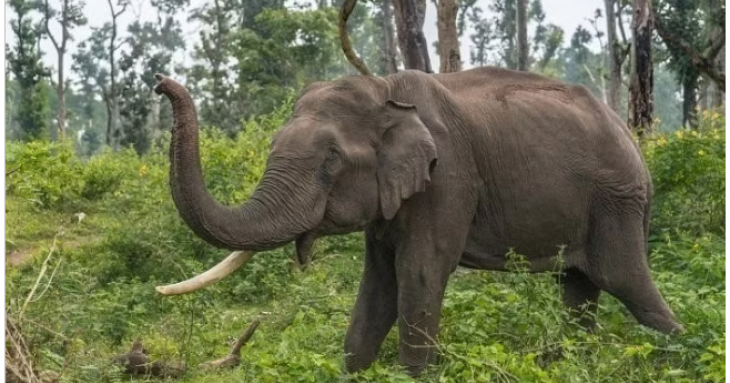
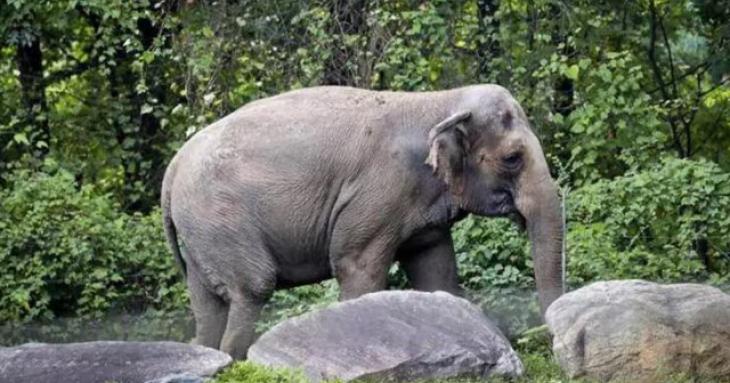
Tracing the Genetic Footprints of India’s Elephants
Elephants are long-distance migrants. The populations in India, which make up 60% of the global Asian elephant population, began their migrations 100,000 years ago, gradually settling in different parts of the country. A record of these journeys can be found imprinted in the DNA sequences of today’s populations.
-
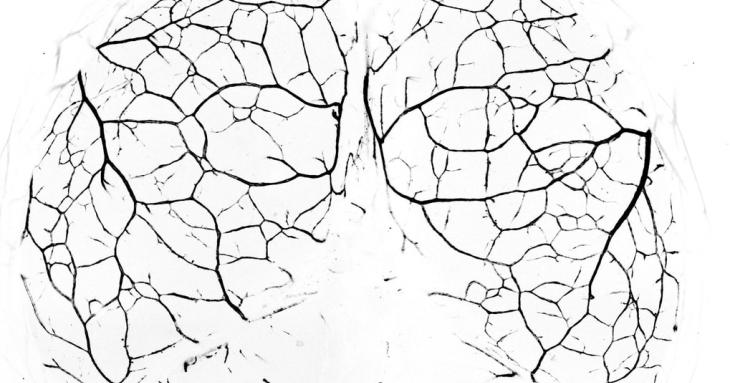
Understanding Collateral Arteries: a detour to escape stroke
More deadly than bullets and earthquakes, strokes claim millions of lives each year.
-
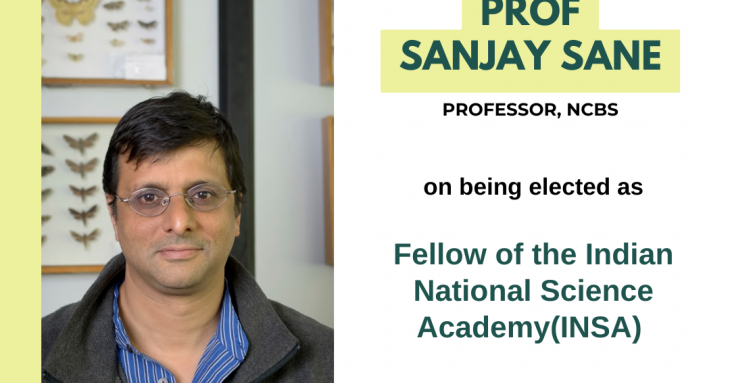
Prof. Sanjay Sane elected as a Fellow of the Indian National Science Academy
Professor Sanjay Sane from the National Centre for Biological Sciences, Bengaluru, has been elected as a Fellow of the